by Homefoodi | Mar 19, 2023 | Home Food Delivery, Special
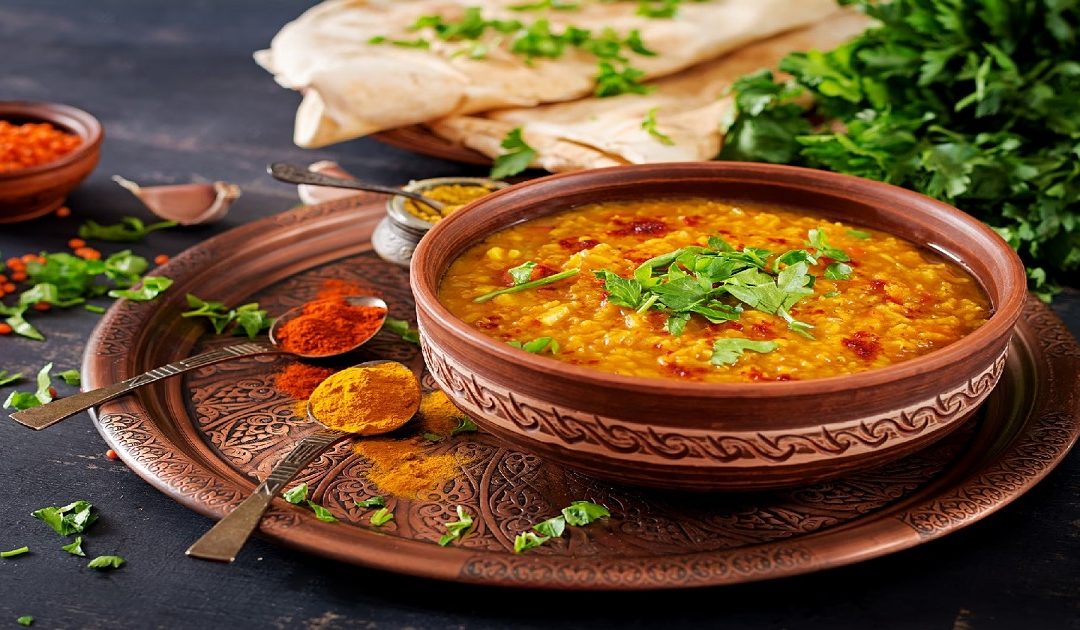
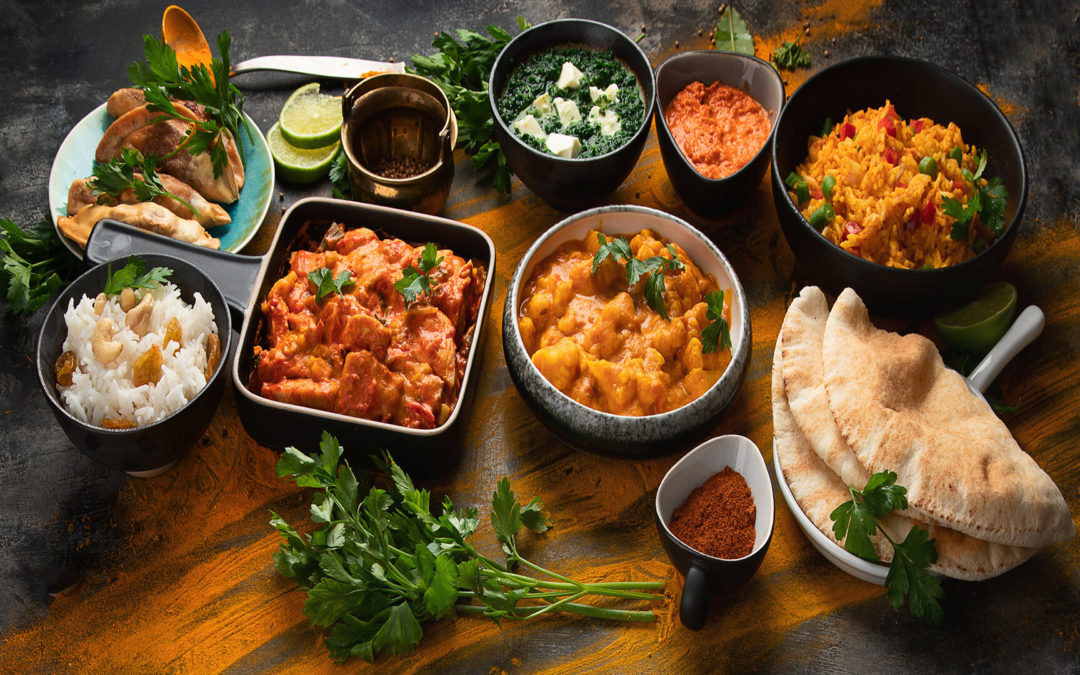
Homefoodi is a popular Home Food Delivery in Sector 93, Noida. We offer healthy & delicious, Ghar ka khana to customers. Our menu includes a variety of dishes from different cuisines, such as North Indian, South Indian, Gujarati, Punjabi, Rajasthani, Bengali, Kashmiri, Hyderabadi, Mughlai, Goan, Chinese and continental. Our food is prepared by certified home chefs who use fresh, top-quality ingredients. Our Food is Prepared in clean & hygienic home kitchens of Home Chefs.
Customers can easily order food from our food delivery app, and the food is delivered to their doorstep. With Our emphasis on homemade food and High-Quality ingredients, Homefoodi has become a popular choice for home delivery of food in Sector 93 Noida.
by Homefoodi | Mar 19, 2023 | Special
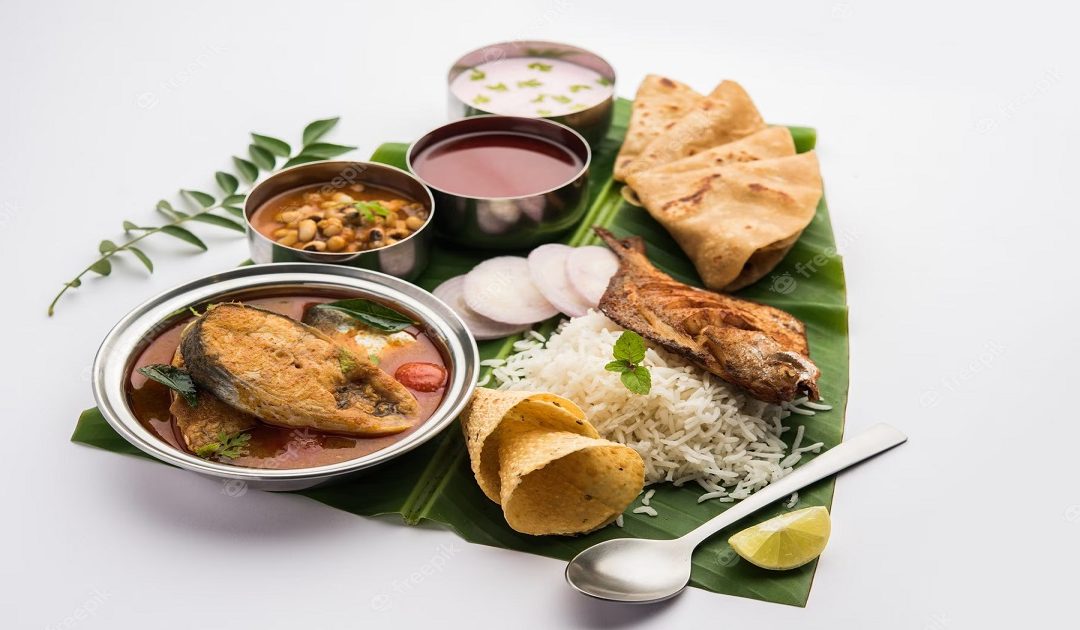
Indian politicians are known for their hectic schedules and busy lives. However, despite their busy political careers, many of them hold a deep appreciation for home cooked food. In this article, we will explore some of the Indian politicians who love home-cooked meals and how they incorporate their love of ghar ka khana into their daily routines.
Narendra Modi
India’s current Prime Minister, Narendra Modi, is known for his simple lifestyle and his love of home-cooked vegetarian food. He has often spoken about how his mother’s cooking influenced his eating habits, and he prefers to stick to a light, healthy diet. Despite his busy schedule, Modi makes it a point to enjoy a home-cooked meal whenever possible.
Arvind Kejriwal
The Chief Minister of Delhi, Arvind Kejriwal, is another politician who prefers home-cooked food. He has even gone so far as to say that he cannot eat food from outside because it makes him sick. Kejriwal is a vegetarian and enjoys simple meals that are low in oil and spices.
Rahul Gandhi
Rahul Gandhi, the former President of the Indian National Congress, is also a fan of home-cooked food. He has often spoken about his love of South Indian cuisine, particularly dosas and idli’s.Rahul Gandhi is also known to enjoy simple, healthy meals that are cooked at home.
Nitish Kumar
The Chief Minister of Bihar, Nitish Kumar, is known for his love of traditional Bihari cuisine. He often enjoys home-cooked meals with his family, and has even launched a state wide campaign to promote Bihari cuisine and encourage people to eat healthy, home-cooked meals.
Mamata Banerjee
The Chief Minister of West Bengal, Mamata Banerjee, is another Indian politician who enjoys home-cooked meals. She has been known to cook for herself and her family, and often shares pictures of her meals on social media. Banerjee is a vegetarian and enjoys simple, healthy meals that are prepared at home.
Chidambaram
Chidambaram, the former Union Finance Minister, is a big fan of home-cooked South Indian food. He often shares pictures of his meals on social media, and has even released a cookbook that features some of his favourite recipes.
Yogi Adityanath
The Chief Minister of Uttar Pradesh, Yogi Adityanath, is known for his love of traditional Indian cuisine. He is often seen enjoying home-cooked meals with his family, and has even launched a state-wide campaign to promote healthy eating habits and encourage people to eat more home-cooked meals.
Smriti Irani
Smriti Irani, the Minister for Women and Child Development, is a fan of home-cooked meals and enjoys cooking herself. She often shares pictures of her meals on social media and has even participated in cooking competitions. Irani is known for her love of simple, healthy meals that are cooked at home.
Naveen Patnaik
The Chief Minister of Odisha, Naveen Patnaik, is another Indian politician who prefers home-cooked meals. He has been known to enjoy traditional Odia cuisine, and often shares pictures of his meals on social media. Patnaik is a vegetarian and enjoys simple, healthy meals that are cooked at home.
Manohar Parrikar
The late Manohar Parrikar, former Chief Minister of Goa and former Defence Minister of India, was known for his love of simple, home-cooked meals. He often cooked for himself and his family and was known to enjoy traditional Goan cuisine.
Order Home Food Now!
by Homefoodi | Mar 19, 2023 | Special
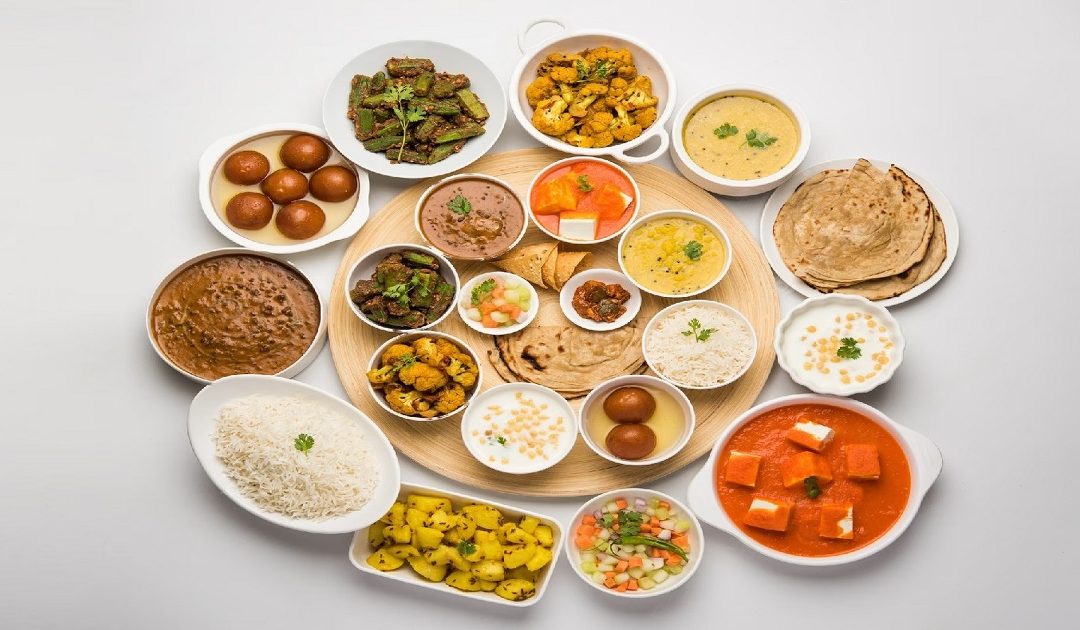
Choosing a variety of foods from all the major food groups is essential for maintaining a healthy and balanced diet. Each food group provides your body with different essential nutrients that are necessary for optimal health.
How to Eat to be Fit:
- FRUITS & VEGETABLES: Fruits and vegetables are a rich source of vitamins, minerals, and fibre. They help to maintain a healthy weight, reduce the risk of chronic diseases, and improve your overall health. Experts recommend that you aim to consume at least five servings of fruits and vegetables each day. To achieve this, try to incorporate a variety of colours into your diet, such as leafy greens, red and yellow peppers, blueberries, and oranges.
- WHOLE GRAINS: Whole grains, such as brown rice, whole wheat bread, and quinoa, are an excellent source of fibre and other essential nutrients. They help to reduce the risk of heart disease, improve digestion, and keep you feeling full for longer. When choosing grains, look for products that are labelled as 100% whole grain.
- LEAN PROTEINS: Lean proteins, such as chicken, fish, and beans, provide your body with essential amino acids that are necessary for building and repairing tissues. Lean Proteins help to keep one feeling full and satisfied between meals. Try to choose lean cuts of meat, such as skinless chicken breasts and fish, and limit your consumption of red and processed meats.
- HEALTHY FATS: Healthy fats, such as those found in nuts, seeds, and avocado, are important for maintaining healthy skin, hair, and nails. They also help to protect your organs and keep you feeling full and satisfied. Try to choose unsaturated fats, such as those found in olive oil and avocado, rather than saturated fats, such as those found in butter and cheese.
Incorporating a variety of foods from all the major food groups into your diet can help to ensure that you are getting all the essential nutrients your body needs to stay healthy and fit. Be sure to consult with a registered dietitian or healthcare professional if you have specific dietary needs or concerns.
- Aim to consume at least five servings of fruits and vegetables each day, and incorporate a variety of colours into your diet.
- Look for whole grain products labelled as 100% whole grain, such as brown rice, whole wheat bread, and quinoa.
- Choose lean proteins, such as chicken, fish, and beans, and limit your consumption of red and processed meats.
- Choose healthy fats, such as those found in nuts, seeds, and avocados, and limit your consumption of saturated fats, such as those found in butter and cheese.
- Eat slowly and mindfully to better recognize your hunger and fullness cues, and avoid eating while distracted.
- Use smaller plates and bowls, and be mindful of serving sizes.
- Aim to drink at least eight glasses of water each day, and limit your consumption of sugary drinks, such as soda and juice.
- Consider meal prepping and planning to make healthy eating easier.
- Do Not deprive yourself of your favourite foods, but enjoy them in moderation and as part of a balanced diet.
- Get enough sleep and exercise to support your overall health and well-being.
What should I eat for a fit body?
Eating for a fit body is not just about restricting calories or eliminating entire food groups, it is about fuelling your body with the nutrients it needs to thrive. Here are some tips on what to eat for a fit body:
- Lean protein: Incorporate lean protein sources into your meals such as chicken breast, fish, turkey, tofu, and legumes. Protein is essential for building and repairing muscle tissue, and it can also help keep you feeling full for longer.
- Complex carbohydrates: Opt for complex carbohydrates such as whole grains, fruits, and vegetables. These foods are high in fibre and provide sustained energy throughout the day. Avoid simple carbohydrates like candy, soda, and refined grains, which can cause spikes in blood sugar and leave you feeling sluggish.
- Healthy fats: Don’t be afraid to include healthy fats in your diet, such as avocados, nuts, seeds, and olive oil. These fats help support brain function, hormone production, and can also help keep you feeling full.
- Hydrate: Drinking plenty of water throughout the day is essential for staying hydrated and maintaining energy levels. It is advised that one should have 8-10 cups of water a day.
- Limit processed foods: Processed foods are often high in sugar, salt, and unhealthy fats, which can contribute to weight gain and other health issues. One Must limit the intake of processed foods and opt for Healthier whole, nutrient-dense foods instead.
- Do Not skip meals: Skipping meals can slow down your metabolism and make it harder to lose weight. Make sure to eat regularly throughout the day to keep your metabolism revved up and your energy levels stable.
Remember, the key to a fit body is not about deprivation or restriction, it’s about nourishing your body with the right foods and staying active. By making healthy choices and fuelling your body with nutrient-dense foods, you’ll be well on your way to achieving your fitness goals.
How much should I eat to get fit?
When it comes to getting fit, how much you eat is just as important as what you eat. Consuming the right number of calories is essential for fuelling your body and supporting your fitness goals. Here are some tips on how much you should eat to get fit:
- Determine your calorie needs: The number of calories you need to consume each day will depend on factors such as your age, gender, height, weight, and activity level. You can use an online calorie calculator to get an estimate of how many calories you should be consuming each day.
- Don’t drastically cut calories: While it may be tempting to drastically cut your calorie intake in an effort to lose weight quickly, this can actually have negative effects on your metabolism and overall health. Instead, aim to create a calorie deficit of 500-1000 calories per day, which can result in safe and sustainable weight loss.
- Eat enough protein: Protein is essential for building and repairing muscle tissue, which is crucial for achieving a fit body. Make an objective to have 0.8-1 gram of protein per pound of body weight daily.
- Balance your macronutrients: In addition to protein, you should also be consuming a balance of healthy fats and complex carbohydrates. A general guideline is to aim for 45-65% of your calories to come from carbohydrates, 20-35% from fat, and 10-35% from protein.
- Listen to your body: While calorie calculators and general guidelines can be helpful, it’s important to listen to your body’s signals and adjust your calorie intake accordingly. If you’re constantly feeling hungry or tired, you may need to increase your calorie intake slightly. On the other hand, if you’re not seeing any progress towards your fitness goals, you may need to adjust your calorie intake downwards.
- Plan your meals: Planning your meals ahead of time can help ensure that you’re consuming the right amount of calories and nutrients to support your fitness goals. Try meal prepping for the week ahead, or at least planning out your meals and snacks for the day in advance.
- Pay attention to portion sizes: Even healthy foods can lead to weight gain if consumed in excess. Pay attention to portion sizes and use measuring cups or a food scale if necessary to ensure that you are consuming the appropriate number of calories.
- Stay hydrated: Drinking plenty of water is essential for staying hydrated and maintaining energy levels. Aim for at least 8-10 cups of water a day, and consider drinking more if you are sweating heavily during exercise.
- Adjust your calorie intake for exercise: If you’re engaging in regular exercise, you may need to consume more calories to support your increased energy needs. Consider consulting with a registered dietitian to help determine the appropriate calorie intake for your fitness goals.
- Be patient: Getting fit takes time, and it’s important to be patient and consistent with your nutrition and exercise habits. Remember to focus on progress rather than perfection, and celebrate small victories along the way.
In summary, getting fit is not just about restricting calories or eliminating entire food groups, it’s about consuming the appropriate amount of calories and nutrients to support your fitness goals. By determining your calorie needs, eating enough protein, balancing your macronutrients, planning your meals, paying attention to portion sizes, staying hydrated, adjusting your calorie intake for exercise, and being patient, you’ll be well on your way to achieving a fit and healthy body.
How do you eat like a fit person?
Eating like a fit person means making smart food choices that fuel your body and support your fitness goals. Here are some tips on how to eat like a fit person:
- Focus on whole foods: Rather than relying on processed or packaged foods, aim to consume a diet rich in whole, nutrient-dense foods such as fruits, vegetables, lean proteins, whole grains, and healthy fats. These foods provide the necessary nutrients to fuel your workouts and support your overall health.
- Prioritize protein: Protein is essential for building and repairing muscle tissue, which is crucial for achieving a fit body. Aim to include a source of protein at every meal, such as chicken, fish, tofu, beans, or eggs.
- Practice portion control: Even healthy foods can lead to weight gain if consumed in excess. Pay attention to portion sizes and aim to fill your plate with mostly vegetables, a small portion of protein, and a serving of healthy fats and carbohydrates.
- Limit processed foods: Processed foods are often high in added sugars, unhealthy fats, and sodium, which can lead to weight gain and other health issues. Aim to limit your intake of processed foods, and instead focus on whole foods as much as possible.
- Stay hydrated: Drinking plenty of water is essential for staying hydrated and maintaining energy levels. Aim for at least 8-10 cups of water a day, and consider drinking more if you are sweating heavily during exercise.
- Plan your meals: Planning your meals ahead of time can help ensure that you’re consuming the right amount of calories and nutrients to support your fitness goals. Try meal prepping for the week ahead, or at least planning out your meals and snacks for the day in advance.
- Enjoy treats in moderation: Eating like a fit person does not mean completely cutting out your favourite treats. Instead, aim to enjoy them in moderation and balance them out with healthy, nutrient-dense foods.
- Listen to your body: Pay attention to your body’s hunger and fullness signals, and adjust your calorie intake accordingly. If you are constantly feeling hungry or tired, you may need to increase your calorie intake slightly. On the other hand, if you’re not seeing any progress towards your fitness goals, you may need to adjust your calorie intake downwards.
In summary, eating like a fit person involves prioritizing whole, nutrient-dense foods, including protein at every meal, practising portion control, limiting processed foods, staying hydrated, planning your meals, enjoying treats in moderation, and listening to your body’s signals. By making these smart food choices, you’ll be well on your way to achieving a fit and healthy body.
Body fitness food list
If you are looking to improve your fitness and overall health, it’s important to focus on consuming a diet rich in whole, nutrient-dense foods. Below is a list of some of the best foods to include in your diet for optimal body fitness:
- Leafy greens: Dark, leafy greens such as spinach, kale, and collard greens are packed with vitamins, minerals, and fibre, making them a great choice for supporting overall health and fitness.
- Berries: Berries such as blueberries, strawberries, and raspberries are loaded with antioxidants, which help protect the body against inflammation and oxidative stress.
- Lean proteins: Protein is essential for building and repairing muscle tissue, which is crucial for achieving a fit body. Some good sources of lean protein include chicken, fish, tofu, beans, and eggs.
- Whole grains: Whole grains such as brown rice, quinoa, and whole wheat bread are great sources of fibre and complex carbohydrates, which provide sustained energy for workouts.
- Healthy fats: Healthy fats such as avocado, nuts, and olive oil are important for maintaining good health and can also help keep you feeling full and satisfied between meals.
- Greek yogurt: Greek yogurt is an excellent source of protein which contains probiotics, which can help support digestive health.
- Sweet potatoes: sweet potatoes are a great source of complex carbohydrates that contain important vitamins and minerals such as vitamin A and potassium.
- Salmon: Salmon is a rich source of omega-3 fatty acids, which have been shown to help reduce inflammation and improve overall health.
- Beans: Beans are a great source of fibre, protein, and complex carbohydrates, making them an excellent choice for supporting fitness goals.
- Water: Staying hydrated is crucial for maintaining energy levels and supporting overall health. Aim for at least 8-10 cups of water a day, and consider drinking more if one sweats more.
What are the 10 Fitness Foods to help you Get in Shape faster
- Chicken Breast: A great source of lean protein, chicken breast can help build muscle and keep you feeling full for longer.
- Greek Yogurt: Packed with protein, Greek yogurt is a great snack to help build and repair muscles. It also contains probiotics to aid digestion.
- Oats: A complex carbohydrate that provides sustained energy, oats are a great choice for breakfast or a pre-workout snack.
- Eggs: Another protein-rich food, eggs are also high in vitamins and minerals essential for muscle recovery and growth.
- Spinach: This leafy green is packed with vitamins, minerals, and antioxidants that can help improve overall health and aid in muscle recovery.
- Sweet Potatoes: A complex carbohydrate that provides sustained energy, sweet potatoes are also high in fibre and essential vitamins and minerals.
- Salmon: A great source of omega-3 fatty acids, salmon can help reduce inflammation and aid in muscle recovery.
- Quinoa: This superfood is high in protein, fibre, and essential vitamins and minerals, making it a great choice for a post-workout meal.
- Almonds: High in healthy fats and protein, almonds are a great snack to help keep you feeling full and satisfied.
- Berries: These colourful fruits are packed with antioxidants and fibre, making them a great addition to any meal or snack.
What to eat when working out to build muscle?
When working out to build muscle, it’s important to fuel your body with the right nutrients. Here are some foods to eat to support muscle growth:
- Lean protein sources like chicken breast, turkey, fish, eggs, tofu, and legumes. These provide the building blocks for muscle growth and repair.
- Carbohydrates such as sweet potatoes, brown rice, quinoa, oats, and whole-grain bread. These provide energy for your workouts and help replenish glycogen stores in your muscles.
- Healthy fats from sources like avocados, nuts, seeds, and olive oil. These help support hormone production and aid in muscle recovery.
- Vegetables and fruits for their fibre, vitamins, and minerals. These help support overall health and aid in muscle recovery.
- Water to stay hydrated and support muscle function.
It is also important to eat enough calories to support muscle growth and to eat regularly throughout the day to keep your energy levels up. A balanced meal plan that includes a variety of nutrient-dense foods can help support muscle growth and overall health.
Diet for Gym Beginners
If you are new to going to the gym, it is important to focus on eating a balanced and healthy diet to support your workouts and overall health. Here are some tips for a diet for gym beginners:
- Eat enough calories: It’s important to eat enough calories to support your workouts and give your body the energy it needs. This means eating enough food to fuel your workouts and support muscle growth.
- Eat protein: Protein is vital for the growth and repair of muscles. Aim to include a source of protein in every meal, such as chicken, fish, tofu, beans, or eggs.
- Include carbohydrates: Carbohydrates provide energy for your workouts and help replenish glycogen stores in your muscles. Focus on complex carbohydrates like sweet potatoes, brown rice, and quinoa.
- Eat healthy fats: Healthy fats like avocados, nuts, seeds, and olive oil are important for overall health and can help support hormone production and aid in muscle recovery.
- Stay hydrated: Drink plenty of water throughout the day to stay hydrated and support muscle function.
- Strictly Avoid processed foods: Processed foods should be a Big No as they are high in Sugar, Calories & unhealthy fats. One should Typically focus on nutrient-rich foods like fruits, vegetables, and proteins that are Lean.
- Don’t skip meals: Skipping meals can leave you feeling sluggish and lacking energy. The Mantra is to eat throughout the day at regular intervals to keep the energy levels up.
Remember, a balanced diet that includes a variety of nutrient-dense foods is key to supporting your workouts and overall health.
What to eat when you are working out to Lose weight?
When working out to lose weight, it is important to fuel your body with the right nutrients while also creating a calorie deficit. Here are some foods to eat to support weight loss during your workouts:
- Lean protein sources like chicken breast, turkey, fish, eggs, tofu, and legumes. These can help you feel full and satisfied while also providing the building blocks for muscle maintenance and repair.
- Fibre-rich foods like fruits, vegetables, and whole grains. These can help you feel full and satisfied while also providing essential vitamins and minerals.
- Complex carbohydrates like sweet potatoes, brown rice, and quinoa. These can provide sustained energy for your workouts and help you feel full for longer.
- Healthy fats like avocados, nuts, seeds, and olive oil. These can help support hormone production and aid in weight loss.
- Water to stay hydrated and support digestion.
It’s also important to pay attention to portion sizes and to create a calorie deficit by burning more calories than you consume. This can be achieved through the right combination of exercise and a Healthy diet.
Additionally, avoiding processed foods, sugary drinks, and excessive amounts of saturated and trans fats can help support weight loss efforts. A balanced meal plan that includes a variety of nutrient-dense foods can help support weight loss and overall health.
Also Read: HOW TO STAY HEALTHY BY EATING FRESH FOOD
Should I eat before working out in the morning?
Whether or not you should eat before working out in the morning depends on your personal preference and goals. Here are some things to consider:
- Energy levels: Eating a small snack before working out in the morning can help boost your energy levels and provide you with the fuel you need to power through your workout.
- Goals: If your goal is to lose weight, some people prefer to work out on an empty stomach in order to maximize fat burning. However, if your goal is to build muscle, eating a small snack before your workout can help provide your body with the nutrients it needs for muscle growth and repair.
- Digestion: Some people may experience discomfort or nausea if they eat too close to a morning workout. If this is the case for you, try eating a small snack at least 30 minutes to an hour before your workout to give your body time to digest.
If you do decide to eat before working out in the morning, aim for a small snack that is easy to digest and provides quick energy. Some examples include a banana, a handful of berries, a slice of whole-grain toast with almond butter, or a protein shake. Additionally, make sure to drink plenty of water before, during, and after your workout to stay hydrated.
by Homefoodi | Mar 19, 2023 | Special
WHAT IS A HOME CHEF?
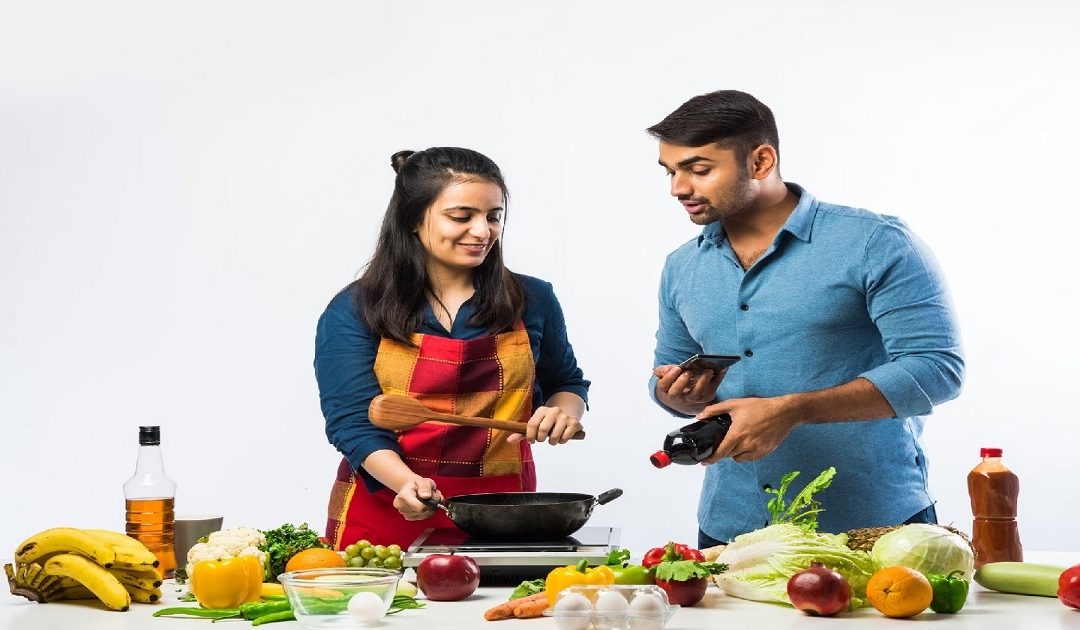
A home chef is an individual who loves to cook and experiment with different ingredients and recipes in their own kitchen. While not professionally trained, home chefs have a deep respect for the ingredients they use and strive to create delicious, nutritious meals for themselves and their loved ones. They are often highly organized and efficient in the kitchen, planning meals ahead of time and prepping ingredients to streamline the cooking process. Home chefs are also willing to take risks and try new things in the kitchen, whether it is a new recipe, ingredient, or cooking technique. For many, cooking is not just a hobby, but a way of life – a way to express their creativity, connect with others, and nourish their body and soul. The rise of social media and Home Food Delivery APPs has made it easier than ever for home chefs to connect with one another and share their love of cooking with a wider audience. Overall, being a home chef is about discovering the joy of cooking and sharing that passion with others.
11 CHARACTERISTICS OF A HOME CHEF:
- A Love Of Food: Home chefs take great pleasure in trying new ingredients, experimenting with different flavours, and creating meals that are both nutritious and delicious. They understand that cooking is not just about preparing sustenance, but about creating a sensory experience that engages all of the senses. Home chefs have a deep love for food, which is what drives their passion for cooking. They appreciate the complexity of flavours and textures that different ingredients can bring to a dish, and they take joy in experimenting with new recipes and techniques. For many home chefs, cooking is a way to express their creativity and share their love of food with others. It’s a hobby that brings them satisfaction and fulfilment.
- Deep Respect For Ingredients: Home chefs also tend to have a deep respect for the ingredients they use. They understand that every ingredient has its own unique flavour and texture, and they take care to choose the best quality ingredients they can afford. Home chefs also tend to be mindful of where their ingredients come from, choosing locally sourced produce and meats when possible, to support their community and reduce their carbon footprint.
- Willingness To Experiment: Another hallmark of a home chef is their willingness to experiment and take risks in the kitchen. Home chefs are not afraid to try new recipes, techniques, or ingredients, even if they are outside their comfort zone. They understand that cooking is a creative process that involves a certain amount of trial and error, and they embrace this process to expand their knowledge and skills.
- Organization And Efficiency: Home chefs tend to be very organized and efficient in the kitchen. They know how to plan meals, shop for ingredients, and prep ahead of time to make the cooking process as smooth and stress-free as possible. Home chefs also understand the importance of proper food storage and kitchen hygiene to ensure that their meals are safe and healthy for their family and friends to consume.
- Sharing Their Love of Cooking: One of the joys of being a home chef is the opportunity to share your love of cooking with others. Home chefs often enjoy hosting dinner parties or potlucks, where they can showcase their culinary skills and share their favourite dishes with friends and family. Home chefs also enjoy teaching others how to cook, whether it’s their own children, friends, or even strangers who are interested in learning.
- A Lifestyle Choice: Becoming a home chef is a lifestyle choice because it involves a deep commitment to cooking and creating meals at home. It requires a dedication to learning new techniques and experimenting with different ingredients and flavours. For many, cooking is a way to express their creativity, connect with others, and nourish their body and soul. It’s not just a hobby, but a way of life that brings joy and fulfilment to those who pursue it. For many home chefs, cooking is a form of self-care, a way to unwind and de-stress after a long day.
- Socially Connected: In recent years, the rise of social media has made it easier than ever for home chefs to connect with one another and share their recipes and cooking tips. Online communities like Instagram, Facebook, and Pinterest have become virtual gathering places for home chefs from all over the world, where they can find inspiration, support, and camaraderie.
- Active On Home Food Delivery APPS: Home chefs are now joining home food delivery app to share their culinary creations with a wider audience. These apps allow home chefs to reach new customers and showcase their unique style of cooking, while also providing a convenient way for busy individuals and families to enjoy homemade meals without having to cook themselves.
- Not Limited By Cuisine: Home chefs come from all walks of life and backgrounds, and are not limited by any particular cuisine or cooking style. Home chefs are not limited by cuisine because they have the freedom to explore and experiment with a wide range of ingredients and flavours in their own kitchen. Unlike professional chefs who may be bound by the requirements of a specific restaurant or cuisine, home chefs have the flexibility to create dishes that reflect their personal tastes and cultural background. This allows for a diverse range of dishes and flavours that are not limited to any specific cuisine.
- Not Limited by Budget: Home chefs can create delicious and nutritious meals on any budget. They understand that quality ingredients are key, but they also know how to be resourceful and make the most of what they have in their pantry and fridge. Home chefs are not limited by budget because they have the ability to source affordable ingredients and make creative substitutions to achieve the same flavour profiles as expensive ingredients. They often have a deep understanding of flavour profiles and ingredient pairings, which allows them to create delicious and satisfying meals on a budget. Additionally, home chefs are often skilled at meal planning and finding ways to use ingredients in multiple dishes, further maximizing their budget.
- Not Limited by Skill Level: Home chefs are highly skilled because they have a passion for cooking and are dedicated to improving their craft. They often have a deep understanding of flavour profiles, cooking techniques, and ingredient pairings, allowing them to create complex and delicious dishes. Additionally, home chefs are constantly experimenting with new recipes and ingredients, honing their skills and expanding their knowledge of the culinary arts. All of these factors contribute to the high level of skill that home chefs possess in the kitchen.
In conclusion, a home chef is someone who loves to cook and is passionate about creating delicious meals in their own kitchen. Home chefs are not professional chefs, but rather everyday people who have a deep respect for food and a desire to experiment
by Homefoodi | Mar 18, 2023 | Home Food Delivery, Special
Homefoodi is a popular home food delivery in Sector 56, Gurgaon. We offer healthy & delicious, homemade meals to customers. Our menu includes a variety of dishes from different cuisines, such as North Indian, South Indian, Gujarati, Punjabi, Rajasthani, Bengali, Kashmiri, Hyderabadi, Mughlai, Goan, Chinese and continental. Our food is prepared by certified home chefs who use fresh, top-quality ingredients. Our Food is Prepared in clean & hygienic home kitchens of Home Chefs.
Customers can easily order food from homefoodi mobile app, and the food is delivered to their doorstep. With Our emphasis on homemade food and High-Quality ingredients, homefoodi has become a popular choice for home delivery of food in Gurgaon.